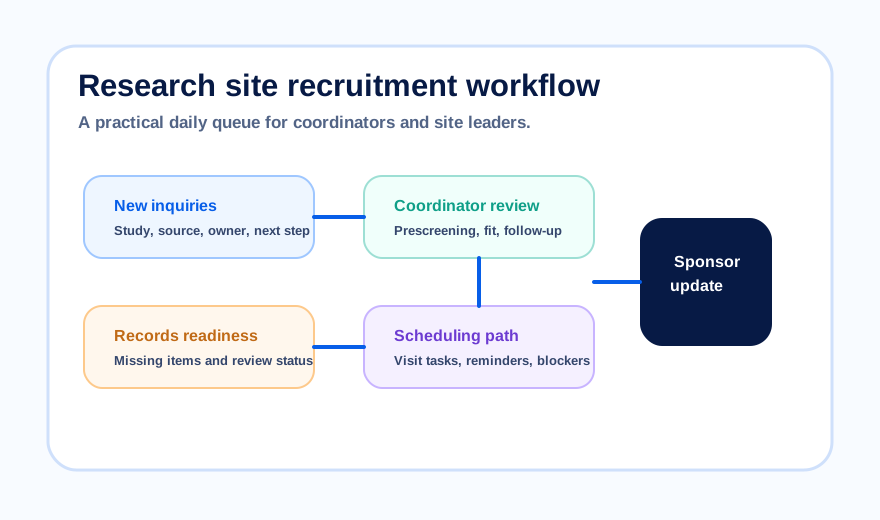
What the site workflow needs to show
Every lead should have a study, source, owner, status, blocker, last movement, and next action. Without those pieces, coordinators spend too much time rebuilding context instead of moving the queue.
See the site recruitment workflow for clinical trials, including patient recruitment dashboards, stale-lead recovery, records readiness, screening visits, and sponsor updates.
Review how TrialsNest helps sites route patient interest, work the coordinator queue, manage records, schedule visits, and report clinical trial recruitment operations clearly.
Every lead should have a study, source, owner, status, blocker, last movement, and next action. Without those pieces, coordinators spend too much time rebuilding context instead of moving the queue.
Sites often lose momentum around unowned inquiries, unclear prescreen status, stale leads, missing records, no-response follow-up, scheduling constraints, and sponsor updates that are rebuilt by hand.
Start with the tracking dashboard, prescreen-to-screening visit guide, weekly review template, stale-lead recovery, and workflow checklist pages when you need the shortest path from search to operational fixes. Then use the examples and scorecards to pressure-test the process against your real queue.
These resources connect the site-network, comparison, proof, and reporting pages readers usually need first.
Build a patient recruitment tracking dashboard for clinical trials around source, status, owner, prescreen progress, records readiness, scheduling movement, stale risk, and sponsor-ready next actions.
A practical version-control log template for clinical trial recruitment materials, including flyers, landing pages, scripts, referral language, and public study copy.
A practical workflow for research sites deciding which clinical trial recruitment questions need investigator review, sponsor clarification, consent escalation, or coordinator follow-up.
A site operations playbook for checking screening visit capacity, coordinator workload, records readiness, and sponsor blockers before increasing clinical trial recruitment volume.
A practical field guide for research sites building clinical trial recruitment intake forms that support routing, review, follow-up, and sponsor-ready reporting.
A research site checklist for clinical trial recruitment follow-up cadence, including first outreach, reminders, records requests, stale-lead review, and close reasons.
A checklist for research sites reviewing clinical trial recruitment source budget, including quality, coordinator effort, stale leads, reporting, and next-step decisions.
Operational follow-up message examples for research sites managing patient recruitment, coordinator ownership, reminders, and next-step boundaries.
Pricing questions research sites can use when evaluating clinical trial recruitment software, services, source quality, reporting, and implementation effort.
A recruitment readiness checklist for evaluating research sites before launch, including workflow ownership, source plans, records, scheduling, and reporting.
A practical checklist for research sites after a protocol amendment changes recruitment, eligibility, visit flow, consent materials, or participant expectations.
A site review guide for plain-language recruitment materials, patient expectations, review boundaries, and approved next steps.
A practical SOP-style playbook for managing clinical trial referral partners, including approved language, handoff boundaries, routing, tracking, and follow-up.
Operational steps research sites can use to shorten time from prescreen to screening visit by clarifying ownership, records readiness, scheduling rules, and next-action dashboards.
A practical weekly review template for clinical trial recruitment dashboards covering movement, stale leads, source quality, records readiness, scheduling, and next-action ownership.
A site startup checklist for recruitment ownership, source plans, prescreening, records readiness, scheduling, and sponsor reporting.
A delegation log checklist for recruitment ownership, coordinator tasks, review boundaries, documentation, and sponsor-ready updates.
A scheduling readiness checklist for research sites moving patients from prescreening and records review into screening visit appointments.
A weekly clinical trial recruitment report template for summarizing movement, source quality, site blockers, scheduled next steps, decisions needed, and owner follow-up.
Operational SLA examples for clinical trial recruitment follow-up, including first response, prescreen review, records requests, scheduling readiness, and stale-lead review.
A blocker log example for sites tracking recruitment stalls, owners, records gaps, scheduling constraints, and sponsor next actions.
A workflow guide for reducing stale clinical trial leads in site queues by clarifying ownership, response timing, blocker reasons, and coordinator queue design.
A practical checklist for research sites evaluating recruitment dashboards, lead queues, prescreening status, records readiness, coordinator workload, and sponsor updates.
An example dashboard structure for tracking clinical trial patient recruitment by source, status, owner, prescreen progress, records readiness, scheduling, and blockers.
A guide to tracking patient recruitment across locations with shared statuses, local ownership, source quality, blockers, and sponsor reporting.
A recruitment operations benchmark for intake speed, ownership, prescreen movement, records readiness, source quality, stale risk, and reporting confidence.
A maturity model for site networks standardizing recruitment ownership, statuses, blockers, source quality, and sponsor reporting.
A calculator for estimating stale clinical trial lead cost by coordinator time, source waste, records delays, and reporting effort.
A site checklist for decentralized trial activities covering visit ownership, local providers, home health, telehealth, data flow, and patient communication.
A practical checklist for planning recruitment workflows that support older adult participation without creating avoidable access barriers.
An operations explainer for coordinating recruitment materials, site activation, and local handoffs when a single IRB is used for multi-site research.
A practical eConsent audit trail checklist for research sites using electronic informed consent in clinical trials.
An eConsent rollout checklist for clinical trial sites coordinating patient expectations, training, delegation, records, and visit readiness.
How research teams can prepare translated and interpreter-supported clinical trial recruitment materials without relying on machine translation alone.
Start with the highest-intent guides, then move into implementation, examples, and supporting comparisons.
Build a patient recruitment tracking dashboard for clinical trials around source, status, owner, prescreen progress, records readiness, scheduling movement, stale risk, and sponsor-ready next actions.
A practical version-control log template for clinical trial recruitment materials, including flyers, landing pages, scripts, referral language, and public study copy.
A practical workflow for research sites deciding which clinical trial recruitment questions need investigator review, sponsor clarification, consent escalation, or coordinator follow-up.
A site operations playbook for checking screening visit capacity, coordinator workload, records readiness, and sponsor blockers before increasing clinical trial recruitment volume.
A practical field guide for research sites building clinical trial recruitment intake forms that support routing, review, follow-up, and sponsor-ready reporting.
A research site checklist for clinical trial recruitment follow-up cadence, including first outreach, reminders, records requests, stale-lead review, and close reasons.
A checklist for research sites reviewing clinical trial recruitment source budget, including quality, coordinator effort, stale leads, reporting, and next-step decisions.
Operational follow-up message examples for research sites managing patient recruitment, coordinator ownership, reminders, and next-step boundaries.
Pricing questions research sites can use when evaluating clinical trial recruitment software, services, source quality, reporting, and implementation effort.
A recruitment readiness checklist for evaluating research sites before launch, including workflow ownership, source plans, records, scheduling, and reporting.
A practical checklist for research sites evaluating recruitment dashboards, lead queues, prescreening status, records readiness, coordinator workload, and sponsor updates.
An example dashboard structure for tracking clinical trial patient recruitment by source, status, owner, prescreen progress, records readiness, scheduling, and blockers.
A practical weekly review template for clinical trial recruitment dashboards covering movement, stale leads, source quality, records readiness, scheduling, and next-action ownership.
Operational steps research sites can use to shorten time from prescreen to screening visit by clarifying ownership, records readiness, scheduling rules, and next-action dashboards.
A practical SLA guide for clinical trial recruitment handoffs from intake through prescreen review, records readiness, scheduling, and stale-lead review.
A weekly clinical trial recruitment report template for summarizing movement, source quality, site blockers, scheduled next steps, decisions needed, and owner follow-up.
A site startup checklist for recruitment ownership, source plans, prescreening, records readiness, scheduling, and sponsor reporting.
A practical checklist for research sites after a protocol amendment changes recruitment, eligibility, visit flow, consent materials, or participant expectations.
A site review guide for plain-language recruitment materials, patient expectations, review boundaries, and approved next steps.
A practical SOP-style playbook for managing clinical trial referral partners, including approved language, handoff boundaries, routing, tracking, and follow-up.
A delegation log checklist for recruitment ownership, coordinator tasks, review boundaries, documentation, and sponsor-ready updates.
A scheduling readiness checklist for research sites moving patients from prescreening and records review into screening visit appointments.
A consent visit prep checklist for sites coordinating records, visit logistics, participant questions, and review boundaries.
A regulatory binder recruitment checklist for source plans, approved materials, delegation, communication logs, and status evidence.
An eConsent rollout checklist for clinical trial sites coordinating patient expectations, training, delegation, records, and visit readiness.
A recruitment source launch checklist for sites reviewing approved copy, routing, ownership, source quality, and reporting.
A patient communication checklist for research sites standardizing follow-up, records requests, scheduling, and review boundaries.
A monitoring visit readiness checklist for recruitment status, source quality, records blockers, delegation, and sponsor updates.
A blocker log example for sites tracking recruitment stalls, owners, records gaps, scheduling constraints, and sponsor next actions.
A guide to using recruitment automation for routing, reminders, records, scheduling, and reporting while preserving human study-team review.
An operating model for site network recruitment governance, shared standards, local ownership, escalation cadence, source review, and sponsor-ready reporting.
A maturity model for site networks standardizing recruitment ownership, statuses, blockers, source quality, and sponsor reporting.
A guide to tracking patient recruitment across locations with shared statuses, local ownership, source quality, blockers, and sponsor reporting.
A clear recruitment workflow for sites that want to organize patient interest, prescreening, records, scheduling, and sponsor updates without scattered spreadsheets.
A site checklist for decentralized trial activities covering visit ownership, local providers, home health, telehealth, data flow, and patient communication.
A practical checklist for planning recruitment workflows that support older adult participation without creating avoidable access barriers.
An operations explainer for coordinating recruitment materials, site activation, and local handoffs when a single IRB is used for multi-site research.
Real-world clinical trial recruitment workflow examples for research sites managing patient intake, prescreening, records readiness, scheduling, and sponsor updates.
A practical audit scorecard for research sites reviewing clinical trial recruitment intake, prescreening, follow-up, records readiness, scheduling, reporting, and trust workflows.
A practical example of how a small research site can organize patient recruitment across three active studies, shared coordinators, records, scheduling, and sponsor updates.
A proof example for small research sites organizing recruitment ownership, follow-up, records readiness, and sponsor updates without spreadsheet sprawl.
A before-and-after guide for moving from scattered recruitment work to clearer intake, prescreening, records, scheduling, and reporting workflows.
A workflow guide for reducing stale clinical trial leads in site queues by clarifying ownership, response timing, blocker reasons, and coordinator queue design.
A lead aging model for prioritizing stale clinical trial inquiries by owner, blocker, source quality, records, and next action.
An example stale-lead recovery workflow for clinical trial sites that need clearer ownership, follow-up timing, records readiness, and close-out decisions.
A calculator for estimating stale clinical trial lead cost by coordinator time, source waste, records delays, and reporting effort.
A recruitment operations benchmark for intake speed, ownership, prescreen movement, records readiness, source quality, stale risk, and reporting confidence.
A site operations checklist for connecting patient records, missing documents, review status, and visit readiness before scheduling clinical trial screening appointments.
A site workflow for records requests, readiness status, secure handoffs, coordinator ownership, and screening next steps.
A readiness checklist for research sites preparing single IRB workflows, reliance documentation, consent control, training, and local approvals.
A sponsor and site workflow guide to screen failure reasons, source quality, criteria friction, records gaps, and next actions.
A clinical operations checklist for collecting patient-reported outcomes with clear purpose, accessible tools, mobile support, and lower participant burden.
Operational steps research sites can use to reduce screening no-shows through clearer expectations, reminders, records readiness, and patient-friendly follow-up.
A practical eConsent audit trail checklist for research sites using electronic informed consent in clinical trials.
How research teams can prepare translated and interpreter-supported clinical trial recruitment materials without relying on machine translation alone.
Essential cookies keep the site working. Optional cookies help improve traffic and regional insights.